
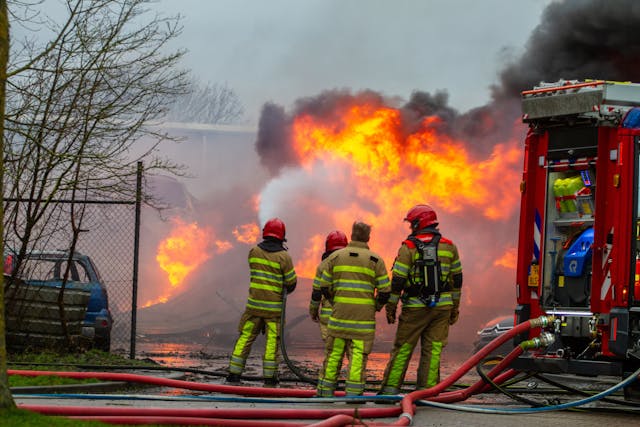
Did you know that nearly 70% of fire-related building damages occur in properties with insufficient monitoring? If you own property, understanding when to implement fire watch protection can mean the difference between a minor incident and a catastrophic loss. In this article, we’ll explore nine crucial signs that indicate your property may need immediate fire watch protection, ensuring you’re equipped to safeguard your investments effectively.
Imagine losing everything to a fire that could have been prevented. For property owners, identifying the right moment to enhance fire safety is not just a responsibility — it’s a necessity. This article examines nine telling signs that your property urgently requires fire watch protection, helping you to take proactive steps for a safer environment.
When was the last time you truly assessed the fire safety measures in your property? Many owners overlook critical indicators that suggest their buildings might be at risk. In this article, we’ll delve into nine essential signs that signal an urgent need for fire watch protection, empowering you to protect your property and the lives of those around you.
– Understanding Fire Watch Protection Needs
Understanding fire watch protection needs goes beyond merely recognizing the presence of smoke or flames. It involves a thorough assessment of vulnerabilities that could put your property at risk, especially in high-traffic environments or during construction. Often, property owners underestimate the potential for fire hazards, but an alert mind can identify risks like flammable materials, outdated electrical systems, or blocked fire exits. This is where hiring professional fire watch guards proves invaluable, as they can provide round-the-clock monitoring, ensuring no flame is overlooked.
Moreover, integrating fire watch protection into your risk management strategy not only safeguards physical assets but also protects lives. Fire watch guards are trained to spot irregularities and act decisively, which can significantly reduce response times in emergency situations. Investing in these services demonstrates a proactive approach, signaling to employees, customers, and insurance providers that safety is a top priority. Ultimately, recognizing your property’s unique fire watch needs can make all the difference in preventing catastrophe before it occurs.
Understanding the specific fire watch protection needs of your property requires a thorough assessment of various factors, including the building’s layout, occupancy levels, and recent fire incidents in the vicinity. Properties that house flammable materials or are undergoing construction often face heightened risks, making vigilant fire watches indispensable. Beyond mere compliance, proactive fire watch protocols can significantly reduce potential losses and safeguard lives by ensuring that trained personnel are always ready to respond.
Assessing the specific fire watch protection needs of your property begins with a comprehensive evaluation of its layout. A sprawling facility with multiple levels or compartments may require more strategic surveillance than a compact structure. Identifying areas prone to congestion, such as hallways or gathering spaces, is crucial, as these high-traffic zones can elevate the risk during an emergency. Additionally, the distance to exits and the visibility of fire prevention equipment should be scrutinized to ensure swift access in critical moments.
Occupancy levels also play a significant role in determining fire watch requirements. Properties with fluctuating populations — like schools or event venues — face unique challenges, as the dynamics of occupancy can change drastically in a short time. Recent fire incidents in the vicinity or similar buildings can offer valuable lessons; understanding these patterns can help tailor a proactive fire watch strategy. Taking all these factors into account not only ensures compliance with safety regulations but also fosters a culture of preparedness that can save lives when it matters most.
Moreover, it’s crucial to recognize that the effectiveness of fire watch protection doesn’t solely rely on the presence of personnel, but also on the strategies employed. Implementing technological innovations, such as real-time monitoring systems and integrated alarm protocols, can enhance traditional fire watch methods. Property owners should also foster a culture of safety among occupants by conducting regular training and drills. This all-encompassing approach not only fortifies the immediate safety of a property but also cultivates long-term resilience against fire hazards.
Moreover, it’s crucial to recognize that the effectiveness of fire watch protection doesn’t solely rely on the presence of personnel, but also on the strategies employed. Implementing technological innovations, such as remote monitoring systems and real-time alert notifications, can significantly enhance safety measures. These tools allow for a more proactive approach to fire prevention, enabling personnel to focus on high-risk areas while leveraging technology to monitor less critical spots.
Additionally, integrating data analytics can transform how fire watch teams assess risks and adjust their strategies accordingly. By analyzing historical fire incidents and environmental conditions, teams can prioritize their resources and ensure that the most vulnerable sections of a property receive heightened attention. The combination of human vigilance and technological prowess not only maximizes the protection provided but also fosters a culture of safety where everyone on-site becomes a vigilant guardian against fire hazards.
Visible Signs of Fire Hazards
One of the most telling signs of potential fire hazards lies in the condition of your electrical systems. Frayed wires, flickering lights, or frequent circuit breaker trips are red flags that should never be ignored. These may indicate overloaded systems or deteriorating components, both of which can ignite a fire in an instant. Regular inspections and updates to your electrical wiring can not only prevent fires but also enhance the overall safety of your environment.
Another often-overlooked area is the accumulation of clutter, particularly in spaces like basements, attics, and storage rooms. Piles of old papers, cardboard boxes, and other combustibles can create a perfect storm for a fire to ignite and spread rapidly. Implementing a routine decluttering regimen not only mitigates this risk but also improves air quality and overall organization. By maintaining a tidy space, you elevate your property’s safety while also fostering a sense of calm and order in your living or working environment.
Recent Construction or Renovation Activities
Recent construction or renovation activities can significantly elevate the risk of fire hazards on your property. With an influx of materials like wood, insulation, and flammable chemicals, the potential for ignition increases dramatically. Not only does the presence of heavy machinery and electrical tools pose risks, but the often bustling environment can lead to lapses in safety protocols. Ensuring that fire watch measures are in place during this high-stakes time not only safeguards your investment but also protects the lives of workers and visitors alike.
Furthermore, any ongoing renovations may disrupt existing fire safety systems, such as smoke detectors and sprinkler systems. If these systems are temporarily disabled or relocated, the chance of a serious incident rises, warranting closer scrutiny. Engaging a dedicated fire watch service during construction or renovation activities can provide that essential layer of vigilance, allowing project managers to focus on their work while ensuring that fire hazards are continuously monitored. Delaying this precaution could lead to catastrophic consequences — both financially and in terms of safety.
Increased Fire Risk Due to Heat Sources
Heat sources, often taken for granted, can significantly elevate fire risk if not managed correctly. Appliances such as stoves, heaters, and even electrical equipment can transform a seemingly innocuous environment into a potential tinderbox. The danger intensifies when these heat sources are left unattended or placed too close to combustible materials. It’s essential to recognize that the legacy of fire hazards extends beyond the obvious; even stale medical equipment or power tools can unexpectedly generate enough heat to ignite nearby objects.
Moreover, seasonal factors should not be overlooked. During particularly dry periods, the risk is compounded, as parched landscapes can quickly become fuel for a runaway fire. Engaging in regular maintenance checks can help mitigate this risk. Inspecting wiring, ensuring proper ventilation around appliances, and maintaining safe distances between heat sources and flammable materials can go a long way in protecting your property. In a world where every degree counts, being vigilant about heat sources isn’t just smart — it’s essential for safety.
Lack of Functional Fire Alarms
A lack of functional fire alarms is a silent yet alarming indicator that your property is at significant risk. When alarms fail to sound, they transform from a safety net into a dangerous oversight, leaving occupants vulnerable during crucial moments. Many people underestimate the importance of regular testing and maintenance, believing that simply having the alarms installed is enough. However, a non-operational fire alarm might just become the most critical error on your property, ensuring that every second lost could lead to devastating consequences.
Additionally, the presence of outdated or incompatible systems can further exacerbate the problem, as newer safety technologies develop to improve detection and response times. Using older models can result in delayed alerts or even false notifications, causing confusion in an emergency. In environments like commercial buildings or multi-family residences, this breakdown in communication could hinder evacuation efforts, trapping individuals in harm’s way. Prioritizing fire alarm functionality means adopting a proactive approach to safety — one that not only protects lives but also demonstrates a commitment to the well-being of your community. As you evaluate your property’s safety protocols, remember: your first line of defense should never be compromised.
Inadequate Fire Safety Training for Staff
One of the most alarming indicators of inadequate fire safety measures is the lack of thorough training for staff. When employees are not well-versed in fire response protocols, the consequences can be dire. A simple awareness of exits and evacuation routes isn’t enough; staff must be equipped to handle various fire scenarios, including the use of fire extinguishers, the importance of alarm systems, and the nuances of assisting vulnerable individuals during an emergency.
Moreover, relying solely on annual safety drills can create a false sense of security. Regular training refreshers are essential to keep fire safety top-of-mind and ensure that all employees can react confidently and swiftly. Consider implementing interactive sessions that engage team members in real-life simulations, making the training not just informative but memorable. This proactive approach can drastically reduce the potential for chaos in the event of a fire, highlighting that true protection starts with well-prepared personnel.
High Occupancy Areas Without Precautions
High occupancy areas without proper fire watch precautions pose a unique challenge, as they serve as melting pots for varied activities and diverse populations. The risk of fire in such environments amplifies not only due to the sheer number of occupants but also due to the potential for swift panic and chaos in an emergency. Entrapping individuals in moments of uncertainty can lead to tragic outcomes, making the implementation of vigilant fire watch measures not just wise, but essential.
In spaces bustling with people — be it a crowded auditorium or a busy retail district — the presence of easily ignited materials, flammable décor, and inadequate escape routes heightens the danger. Often, operational factors such as outdated electrical systems or noncompliant fire safety equipment contribute to this alarming situation. Proactive fire watch protocols, including trained personnel monitoring for hazards, can mitigate these risks effectively, ensuring that both occupants and staff remain vigilant and informed.
Addressing fire safety in high occupancy areas is not merely a regulatory requirement; it is a moral obligation to protect lives. Ignoring these critical safety measures not only jeopardizes human life but can also lead to devastating financial losses and irreparable damage to community trust. Consequently, investing in robust fire watch systems is imperative for creating an environment where safety and serenity coexist, ultimately enhancing the overall experience for everyone involved.
Compliance with Local Fire Regulations
Navigating the complex landscape of local fire regulations is more than just a bureaucratic requirement; it’s about safeguarding lives and property. Compliance not only protects you from hefty fines but also enhances the overall safety culture within your building. An obvious benefit is the integration of regular inspections and maintenance routines, which can uncover vulnerabilities that might otherwise go unnoticed.
Moreover, understanding local regulations allows property owners to anticipate changes in compliance standards, proactively adapting their fire safety measures. This foresight serves to establish a reputation for reliability and safety, attracting tenants or customers who value a secure environment. Ultimately, prioritizing compliance is not just about adhering to the law; it reflects a commitment to the community and a step toward fostering a more resilient infrastructure.
Ensuring Your Safety Measures
When evaluating your property’s fire safety, it’s essential to move beyond traditional methods. Implementing comprehensive safety measures involves not just installing alarms and extinguishers, but also fostering a vigilant culture among your occupants. Encourage regular fire drills and training sessions, so everyone knows how to respond in emergencies. This proactive stance turns potential disasters into manageable situations, enhancing overall safety.
Furthermore, consider leveraging technology in your fire safety strategy. Advanced monitoring systems can provide real-time alerts, enabling swift responses to any irregularities. Coupled with regular maintenance checks on all safety equipment, these innovations ensure that your property remains a safe haven. By combining education, technology, and constant vigilance, you not only safeguard your property but also instill a sense of security in all who inhabit it.